Posture and How It Affects Your Health
Posture and How It Affects Your Health
What is posture?
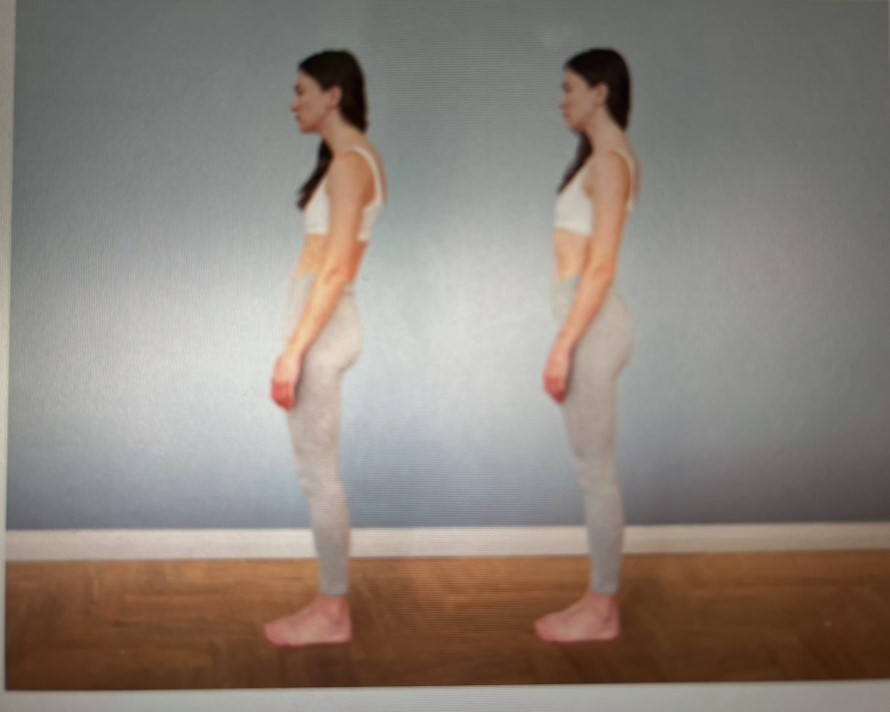
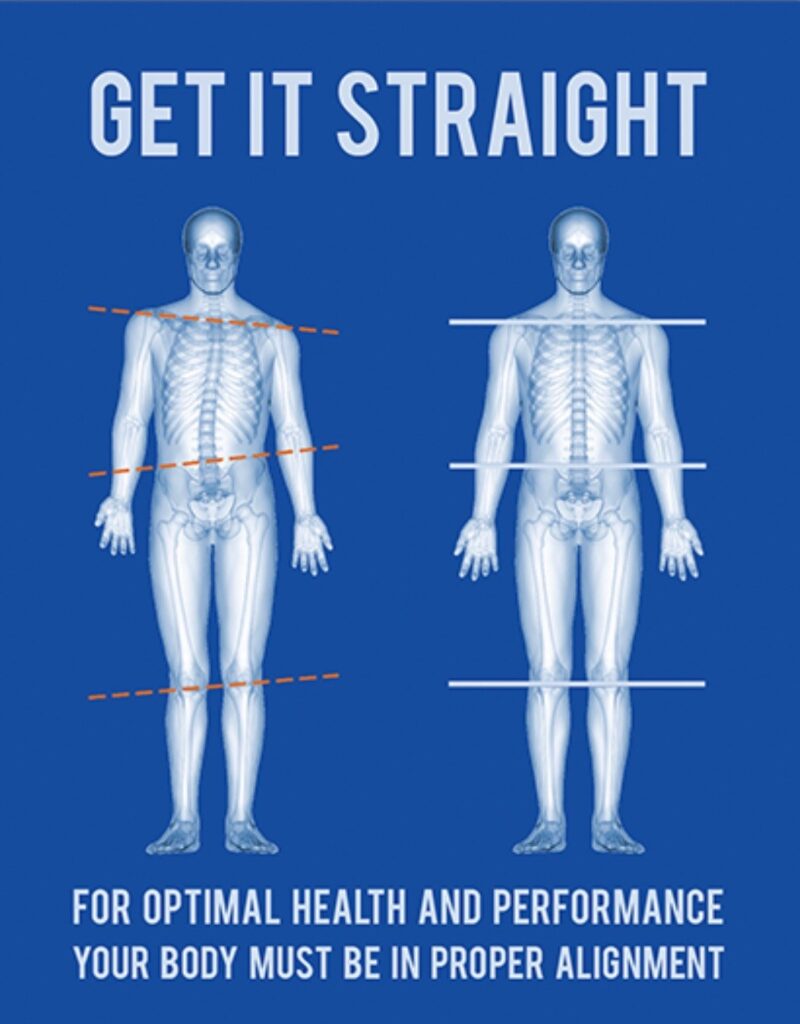
Posture refers to the way we hold our body when sitting, standing, or lying down. It involves the alignment of the spine and the engagement of muscles that support our body’s position.
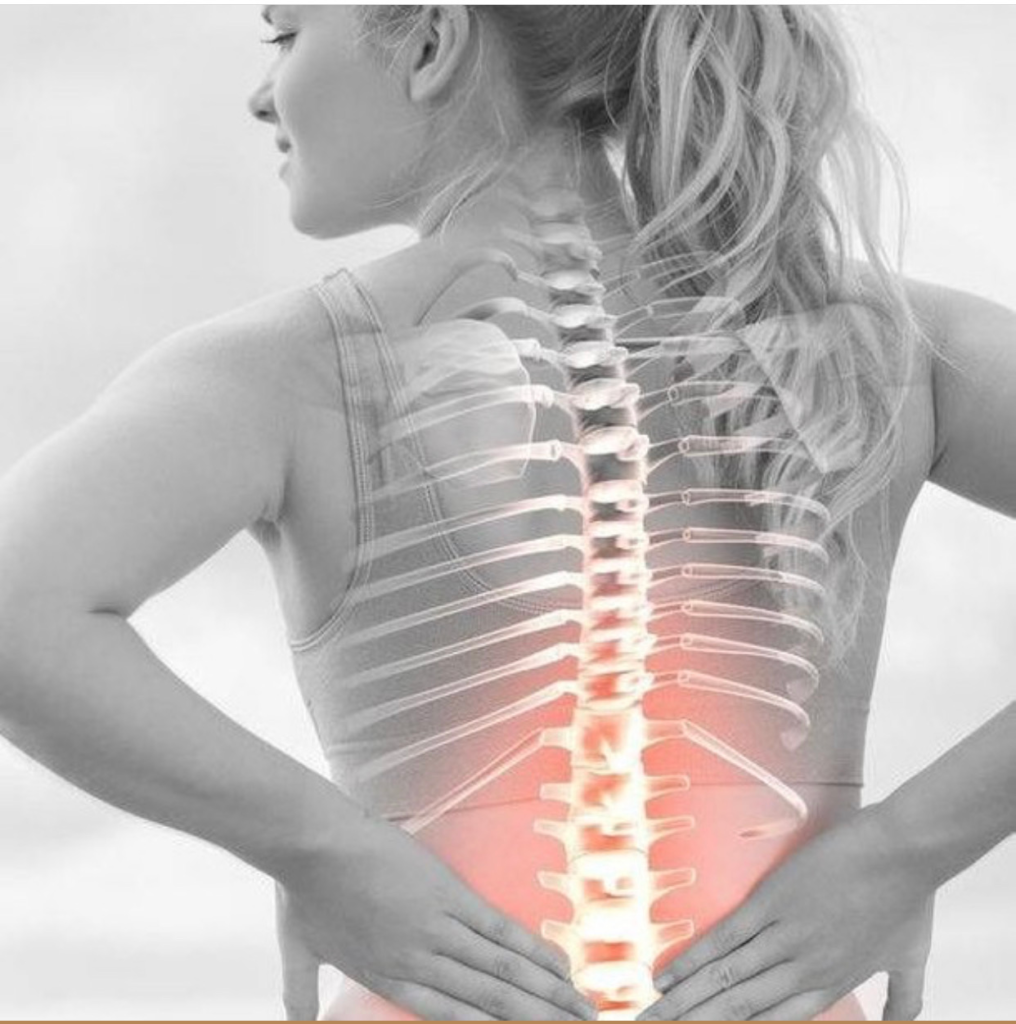
Good posture requires our spine and muscles to work together efficiently to maintain proper alignment. When this balance is disrupted, it can contribute to the back, neck, and shoulder pain that many people experience daily.
Although “good posture” is often described as sitting or standing with a straight back, shoulders pulled back, and the abdomen tucked in — posture is more dynamic than that. Throughout the day, our bodies move through many positions that help maintain flexibility and function.
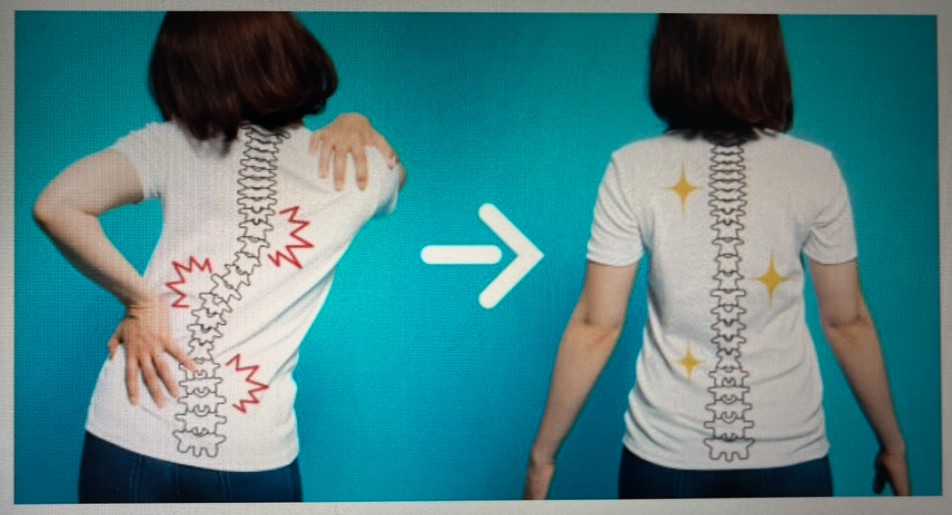
When we maintain good posture, we move with minimal strain and stress on our muscles and joints. Poor posture, however, creates imbalances in the body. Some muscles become tight and shortened, while others are overstretched and weakened. Over time, this leads to fatigue, reduced function, pain, and increased energy expenditure just to stay upright.
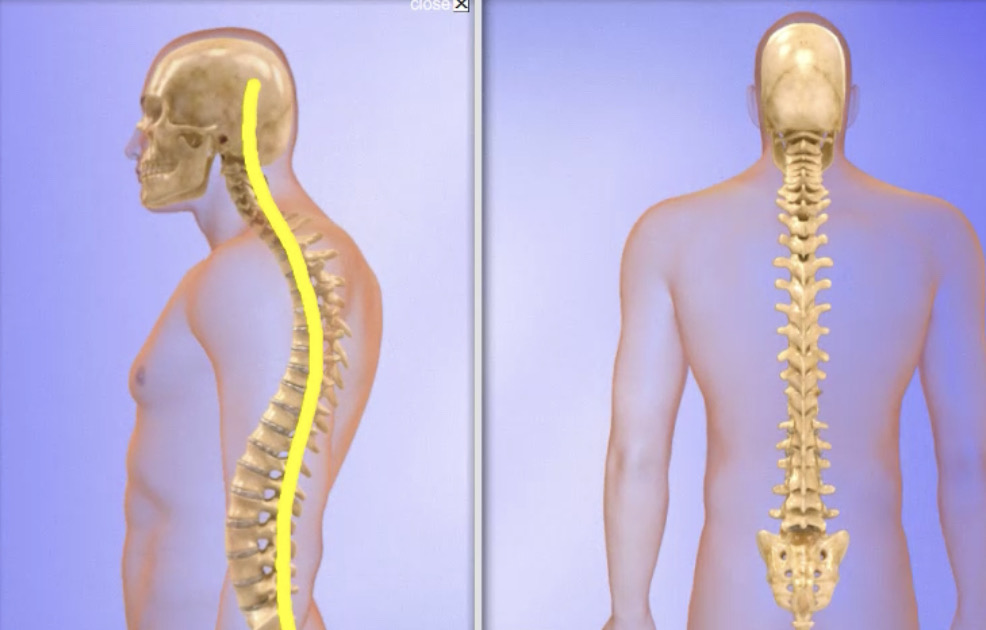
What Is Good vs. Bad Posture?
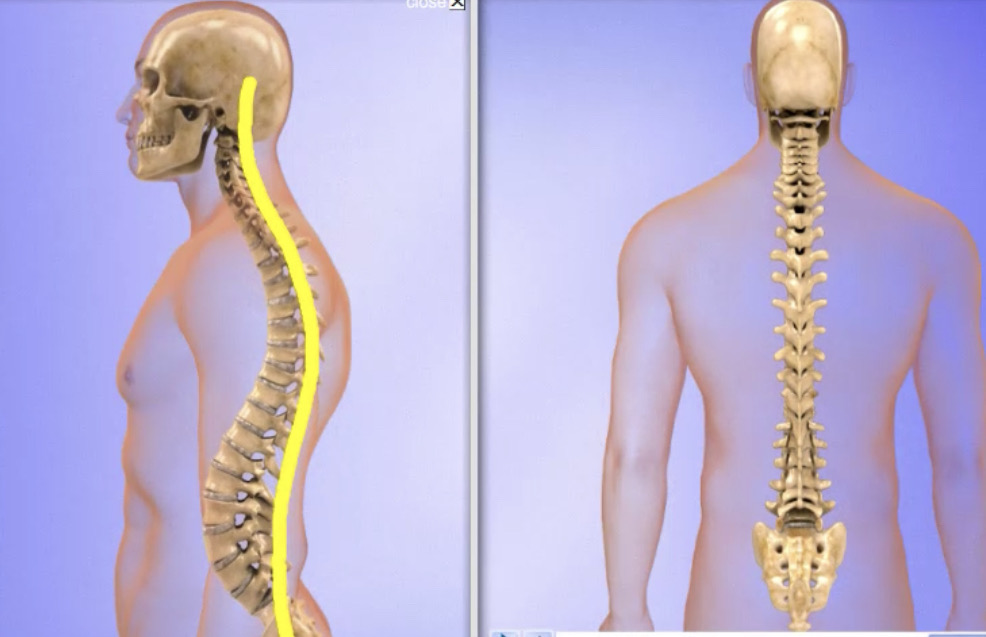
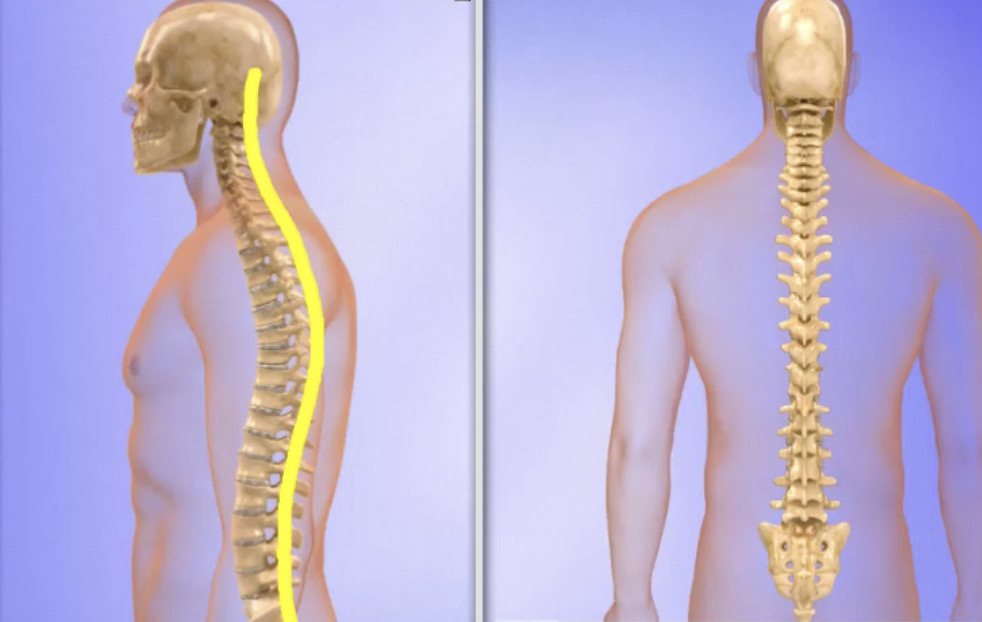
Good posture is a body position in which you feel well-balanced, safe, and are able to perform everyday tasks with ease and without causing damage to your joints or muscles.
Posture becomes “bad” when it:
- Causes discomfort or harm to your body
- Prevents you from performing daily activities comfortably
- Involves maintaining a single position for long periods
- Requires extra effort to stay upright
- Feels easier due to stiffness or weakness — reinforcing the bad habit
Most importantly, posture — whether good or bad — has a direct effect on your overall health.
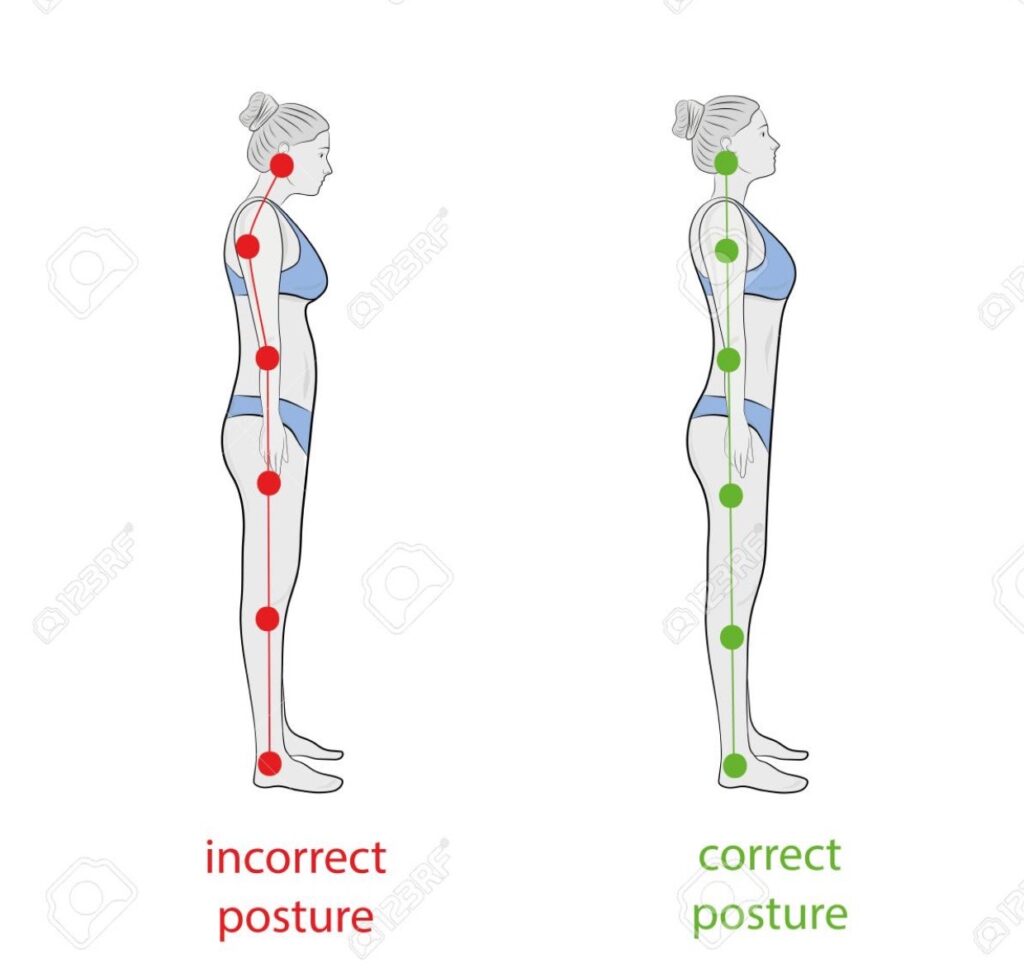
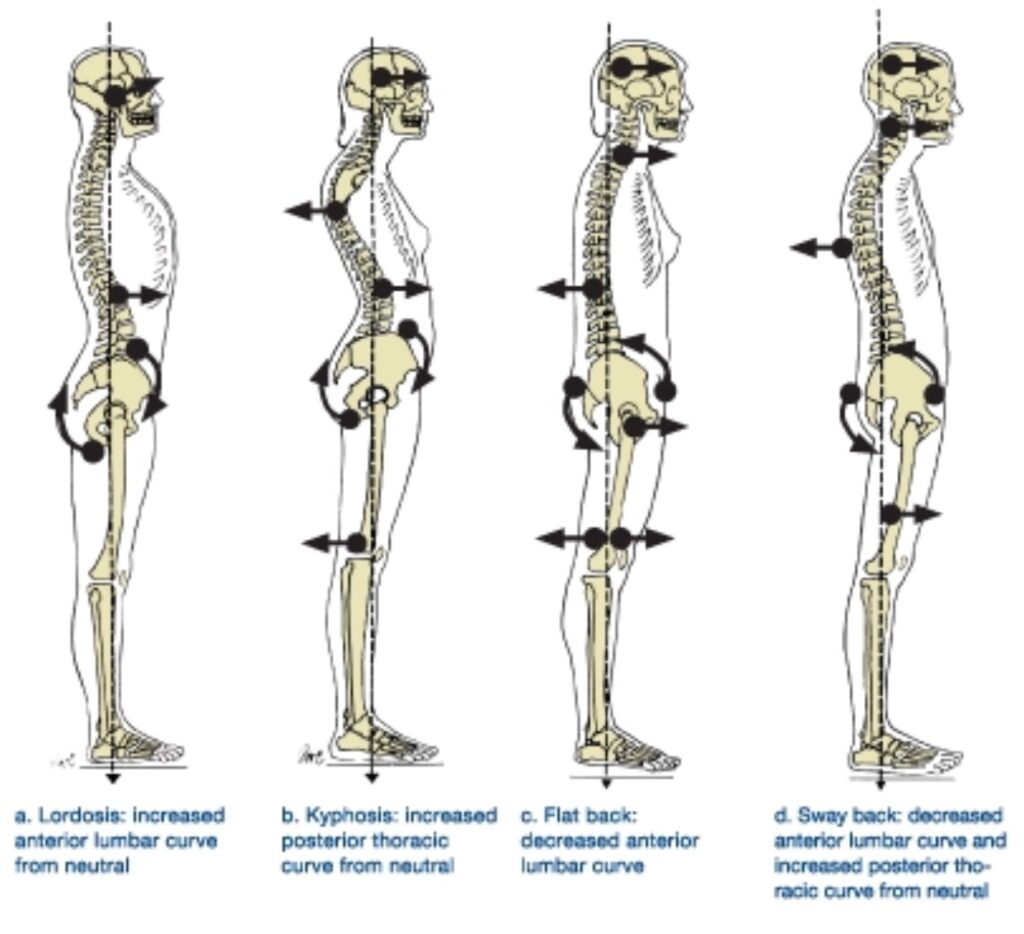
Common Causes of Poor Posture
Some of the primary factors contributing to poor posture include:
- Repetitive movements or improper biomechanics
- Muscle weakness or imbalance
- Genetic conditions (e.g., scoliosis)
- Past injuries
- Poorly designed workstations or incorrect ergonomics
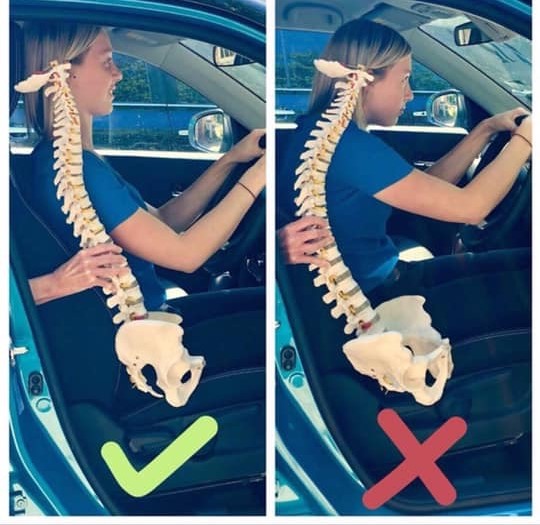
How Posture Affects Your Health
Maintaining good posture requires ongoing attention. For individuals with conditions such as multiple sclerosis (MS), scoliosis, muscle myopathies, or neuropathies, proper posture becomes even more essential — and more challenging.
Poor posture often develops gradually and goes unnoticed until it causes discomfort or limits function. The good news is: small, intentional changes to posture can result in big improvements in pain, strength, and quality of life.
Health Benefits of Good Posture Include:
- ✅ Improved Mental Health & Confidence: Standing tall can boost mood and self-esteem.
- ✅ Muscle and Joint Health: Proper alignment reduces strain on joints, preventing wear and tear.
- ✅ Better Breathing: Upright posture relieves diaphragm pressure, allowing for deeper, easier breathing.
- ✅ Fewer Headaches: Reducing tension in the neck and shoulders can help minimize tension headaches.
- ✅ Core and Back Strengthening: Good posture naturally engages and strengthens stabilizing muscles.
- ✅ Improved Range of Motion (ROM): Balanced musculature leads to smoother and more complete movement.
- ✅ Energy Efficiency: Proper posture reduces fatigue by minimizing excess energy usage.
- ✅ Injury Prevention: Better posture enhances lifting technique and overall body mechanics.
- ✅ Help With Neuromuscular Symptoms: Proper alignment can reduce symptoms like fatigue, tremor, ataxia, spasticity, and muscle pain.
Tips for Improving Your Posture
Correcting posture takes time and consistency — and the longer poor posture has been present, the harder it may be to correct. That’s why early awareness and intervention are so important.
Here are simple but effective posture tips:
When Sitting:
- Sit all the way back in your chair.
- Keep feet flat on the floor, knees and hips at 90° angles.
- Ensure your thighs are level with your knees.
- Sit on the “sit bones” (ischial tuberosities), keeping your pelvis under your shoulders.
- Distribute your weight evenly on both hips.
- Keep your head aligned with your shoulders, chin slightly tucked.
When Standing or Walking:
- Stand tall with your head aligned above your shoulders.
- Keep your shoulders relaxed and down, not hunched.
- Gently engage your abdominal muscles and tuck your pelvis slightly.
- Let your knees remain slightly bent.
- Keep your feet shoulder-width apart for stability.
- When walking, look slightly above eye level and scan ahead, not down.
At a Workstation:
- Alternate between sitting and standing if possible.
- Adjust your monitor so it’s at eye level to avoid bending your neck.
- Keep your keyboard and mouse close, with your elbows relaxed and wrists straight.

Need Help With Posture Correction?
If you’re experiencing:
- Poor posture habits
- Back, neck, or shoulder pain
- Stiffness, fatigue, or limited mobility
- Increased risk of injury
Then it may be time to consult a professional.
Meet Dr. Asef Maleki at Paniz Chiro Care for evidence-based, high-quality, and patient-centered chiropractic care. Whether you need posture correction, spinal adjustments, or maintenance care, we are here to help you move and feel better every day.